Let texture decide the next use of a leftover
A leftover's next use depends partly on the texture it still has.
A leftover's next use depends partly on the texture it still has. Decide whether you want to preserve that texture or deliberately change it.
First establish that the food has been handled and stored safely. Follow reliable storage and reheating guidance for the specific food. Appearance and smell alone cannot prove that it is safe, and a new recipe cannot rescue food whose handling is uncertain.
Choose a useful transformation
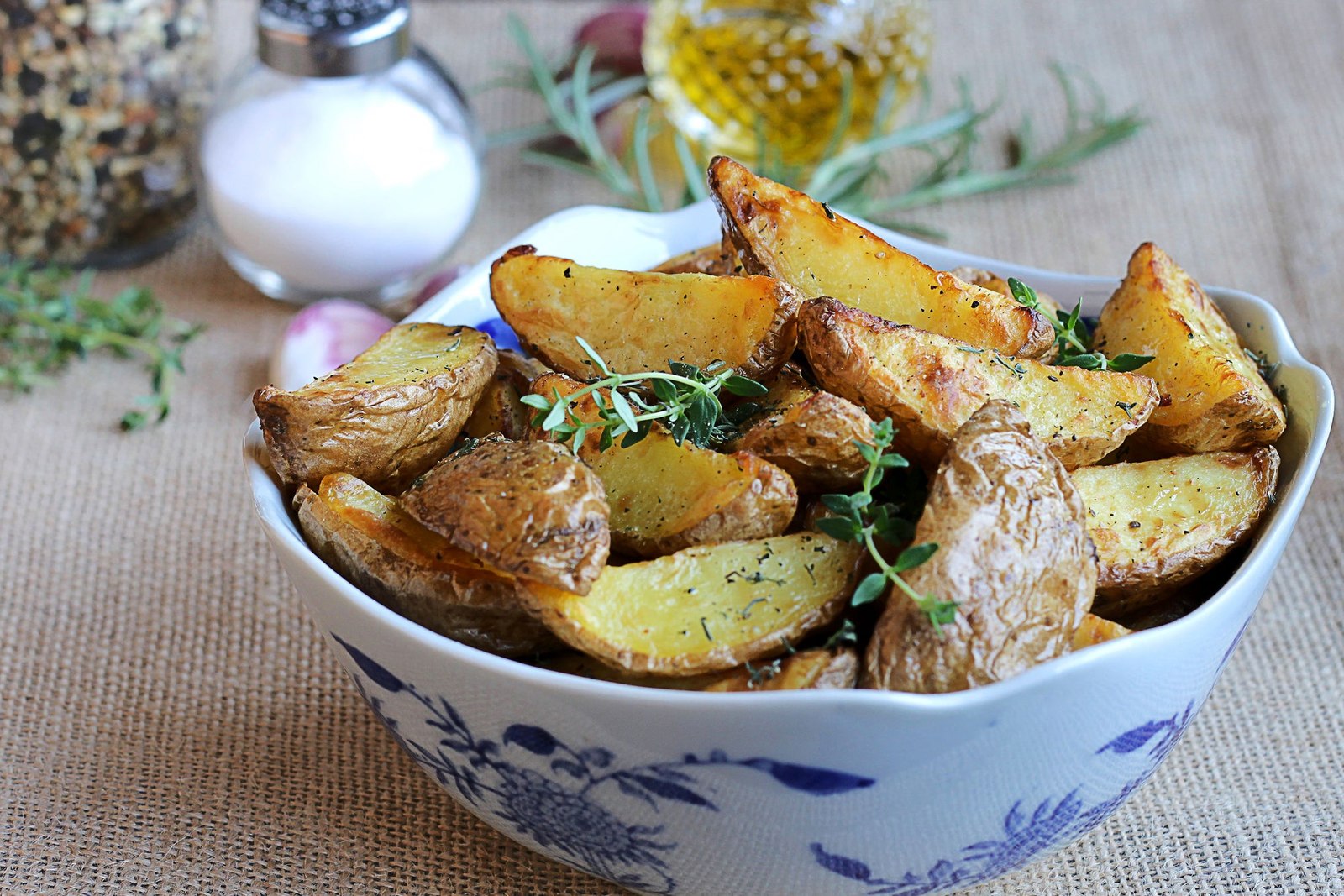
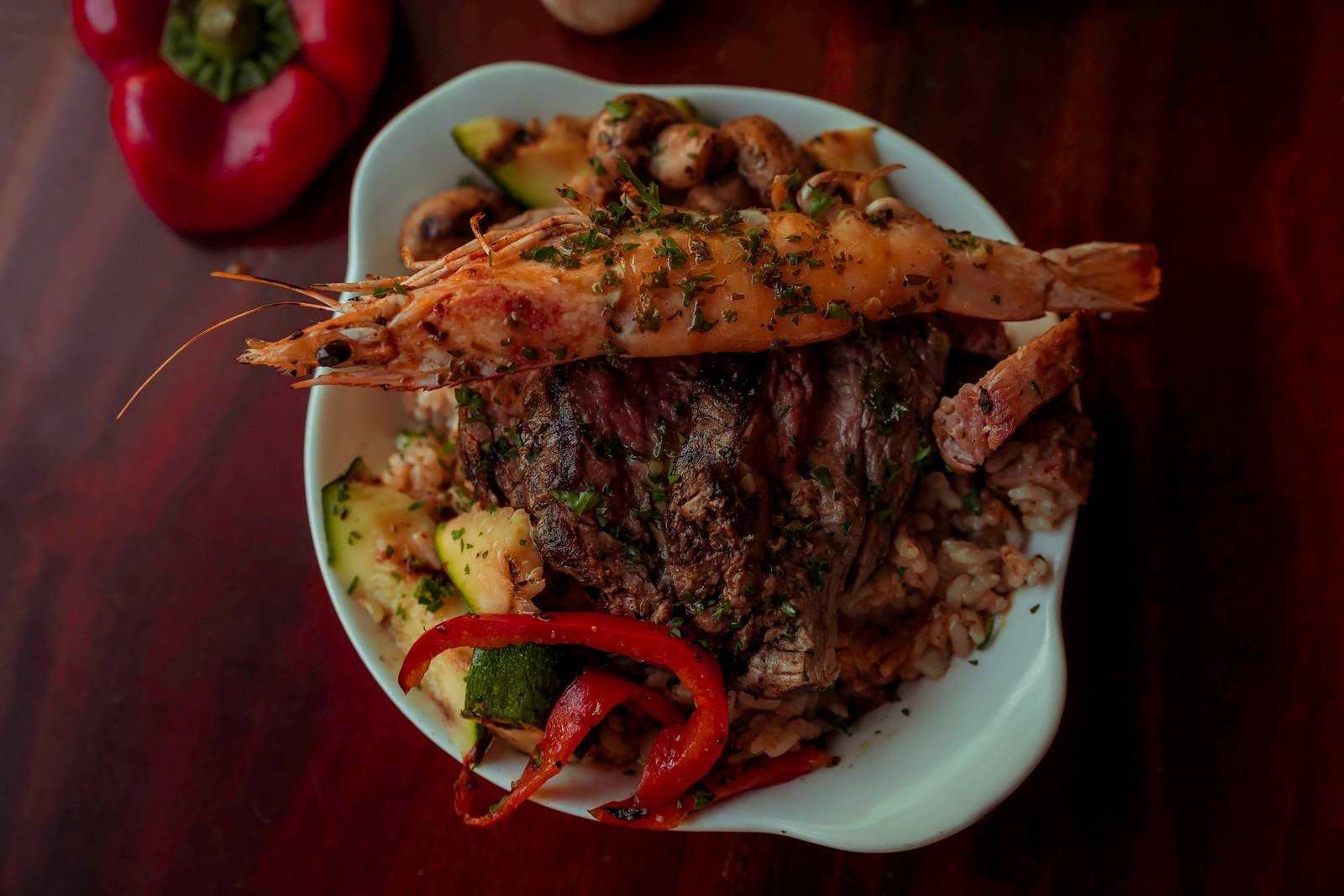
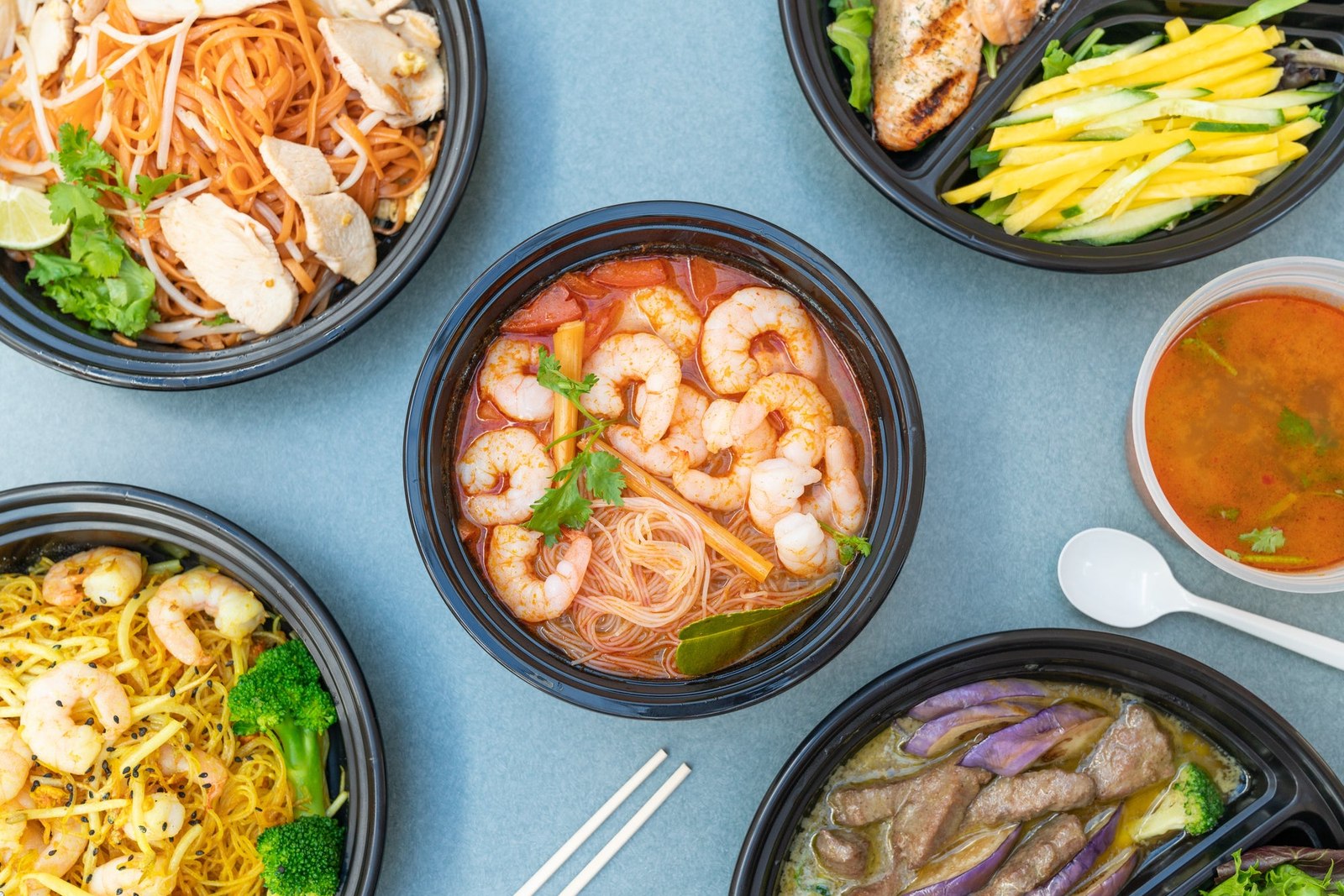
Soft cooked vegetables may belong in a suitable soup or sauce rather than a dish that depends on crisp pieces. Bread that is suitable to use might become crumbs or a toasted accompaniment, according to its condition and the recipe. A mixed dish containing sauce usually needs a different plan from an undressed ingredient.
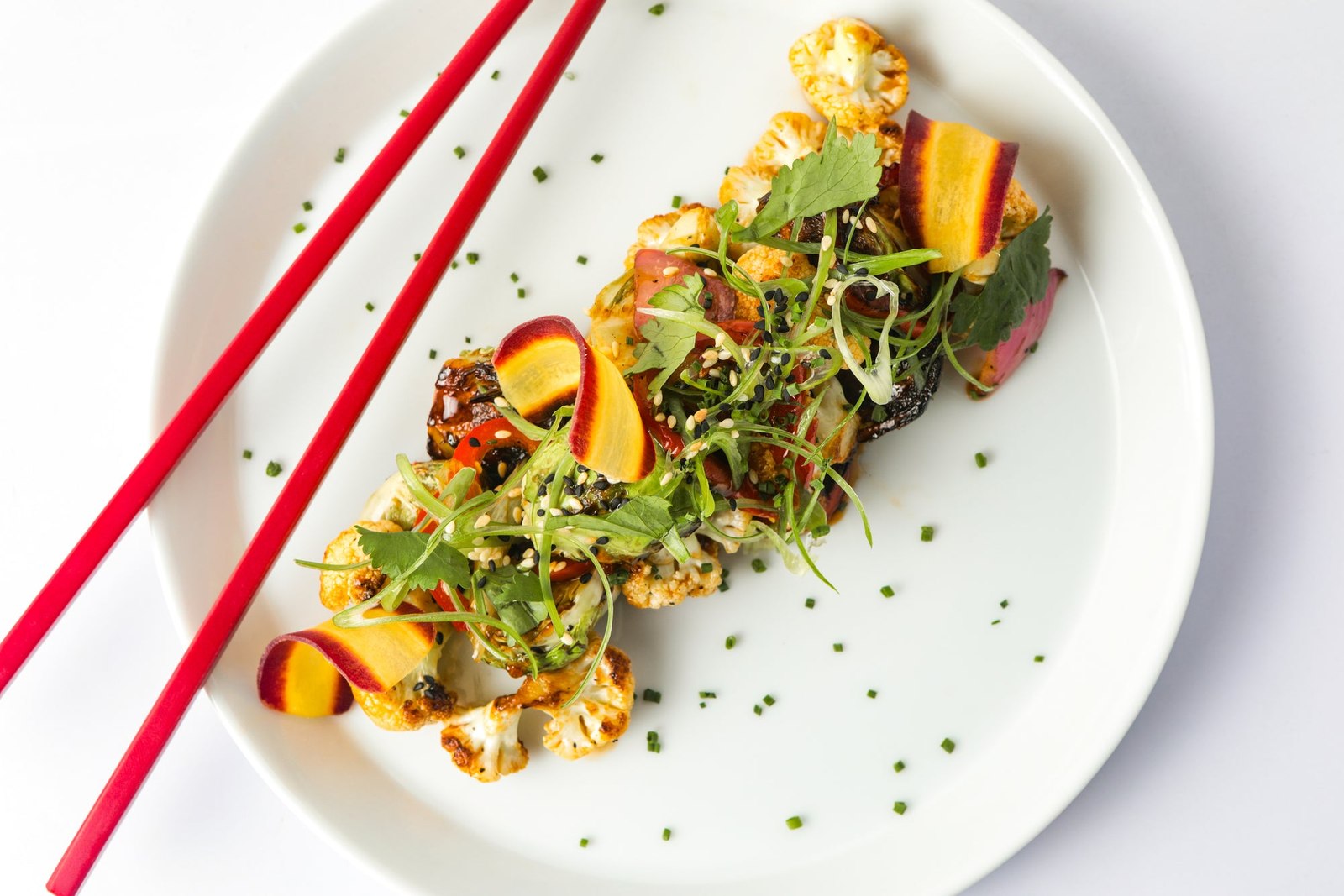
Try the change on a small amount. Adding more liquid can make one leftover pleasant and another shapeless. A fresh crisp accompaniment may provide enough contrast without asking the original food to become something it cannot.
Keep the second meal simple. If turning a small remainder into dinner requires buying several ingredients and making three new components, the plan may not save work. Use it as an accompaniment instead, or make a smaller quantity next time. Note the texture that survived storage well. That observation helps you choose future meals that produce leftovers you will actually want to eat.