Buy for the gap in your pantry
An empty space on a pantry shelf is not necessarily a shopping problem.
An empty space on a pantry shelf is not necessarily a shopping problem. A useful purchase fills a missing role in meals you expect to cook.
Choose three realistic dinners for the next few days and look at what stops you making them. You may have several starches but no useful protein, or plenty of sauces but no vegetables to serve with them. Write the missing role before choosing a product. This reduces the chance of buying a second version of something already waiting behind a jar.
Shop from the meal backward
Check quantities, package condition and date instructions. A large container is not automatically better value if your household cannot use it as intended. Think about storage space and what happens after opening, following the label rather than guessing that every dry-looking ingredient behaves alike.
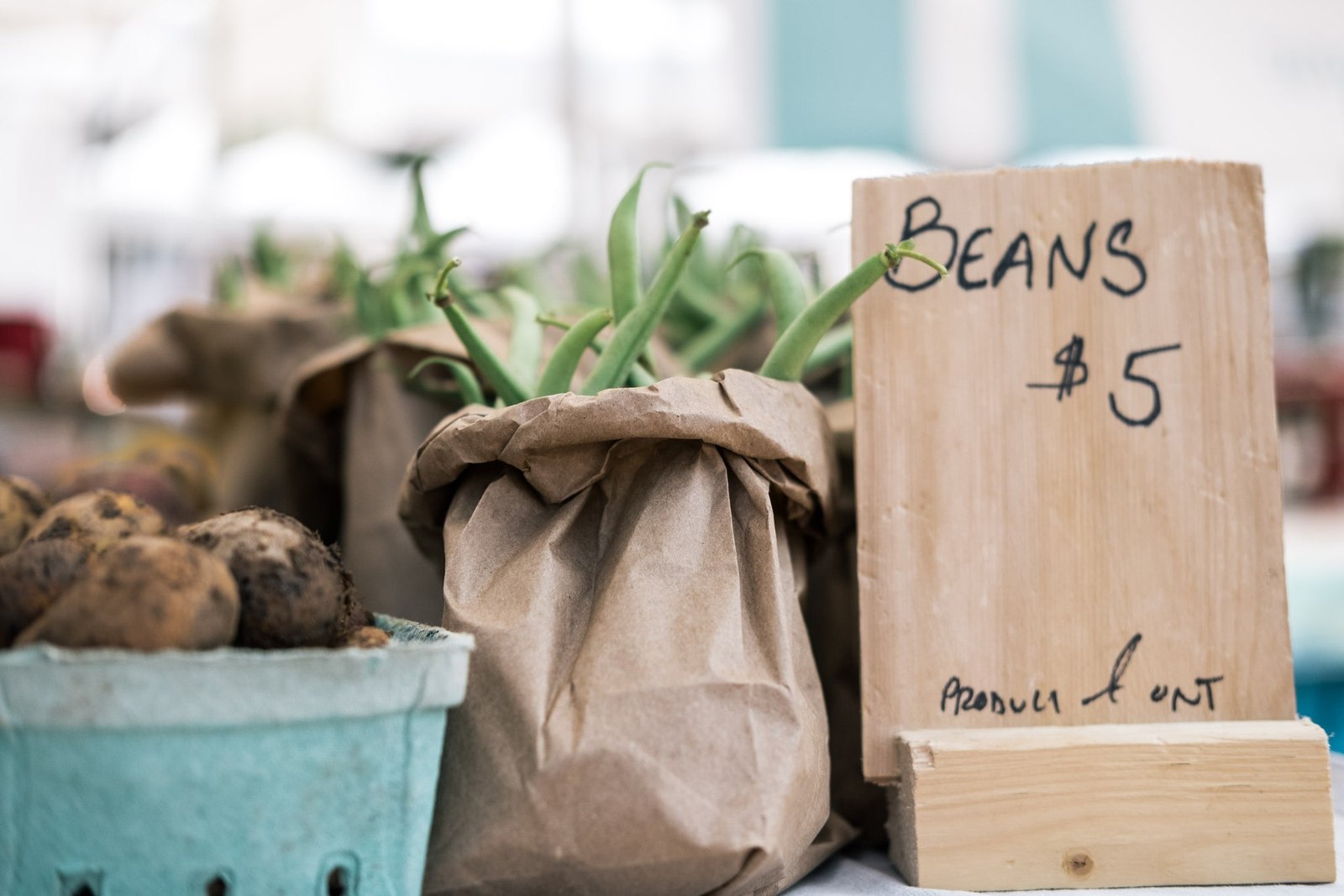
Keep the list concrete: “one tin of plain beans for Tuesday,” for instance, is more useful than “healthy staples.” When a substitute is acceptable, write that down too. It gives you a decision at the shop without requiring the exact item pictured in a recipe.
After the meals, notice what remains. An ingredient repeatedly left over may need a smaller pack or a different plan. Build the pantry from these observations. Its purpose is to make an ordinary evening easier, not to remain fully stocked in every category.