Build a small spice pairing you will actually use
A small spice pairing is easier to learn than a crowded mixture.
A small spice pairing is easier to learn than a crowded mixture. Choose two flavours with a meal in mind and give yourself a way to compare them.
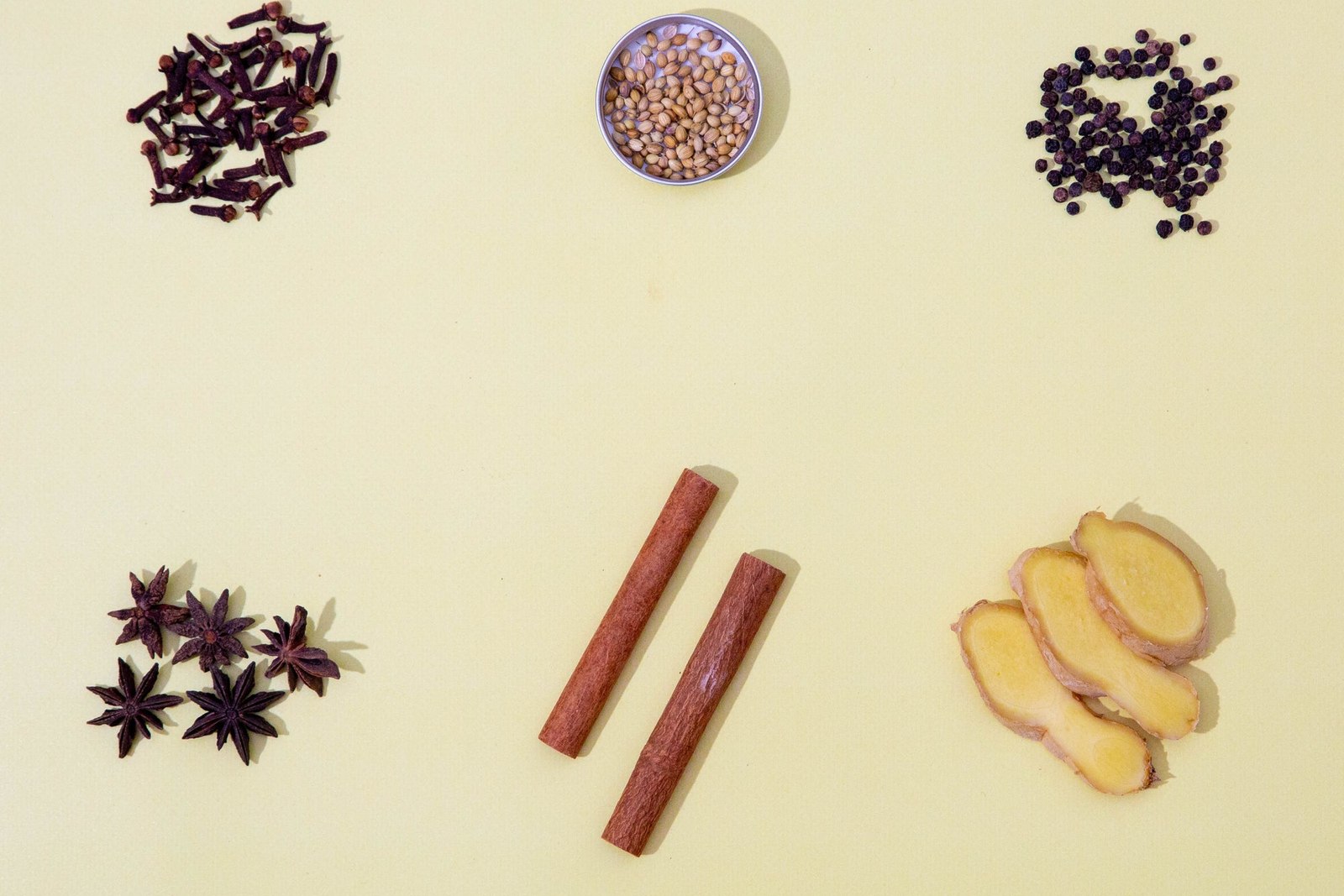
Open the jars and check their condition and labels. Smell each spice separately without inhaling loose powder. If a jar has little recognisable aroma, using more may not produce the result you expect. Start with modest quantities, especially with hot spices, and avoid making claims about freshness from colour alone.
Give the pairing somewhere to go
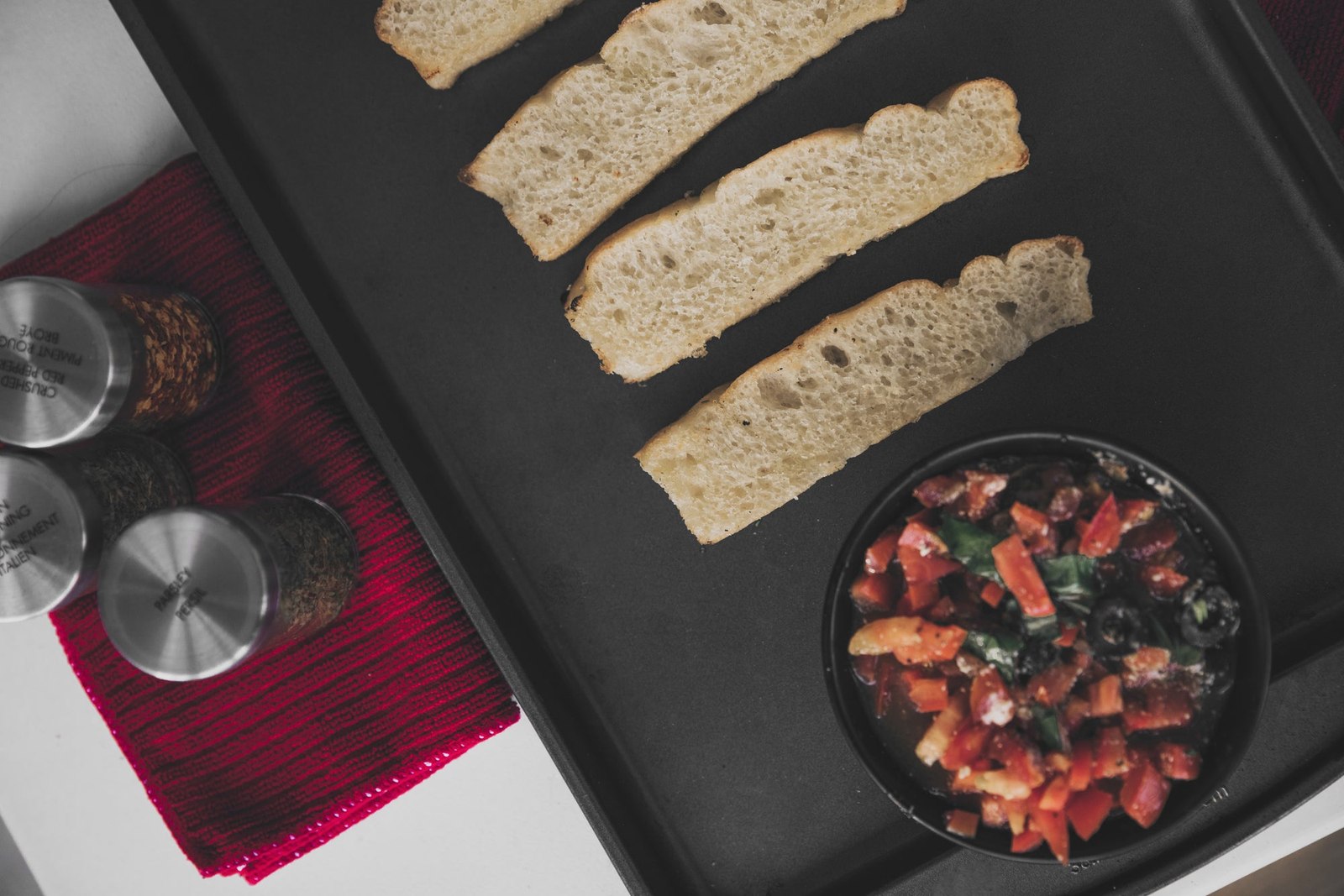
Try a small pan of cooked vegetables or beans that you can divide into portions. Keep one portion plain and season another with the pair. Follow the cooking method the spices and dish require; powder left raw on top can behave differently from spice gently cooked in a sauce. Avoid scorching spices in an unattended pan.
Record the proportion in an ordinary measure you can repeat. Include what the mixture accompanied and when it was added. A pairing that works in a rich stew may feel overpowering on a lightly dressed vegetable.
Before buying another jar, use this pair in a second meal. If you keep reducing or omitting one ingredient, change the combination. A useful spice shelf supports dinners you actually make. It does not need to represent every possible cuisine or an impressive photograph of matching containers.