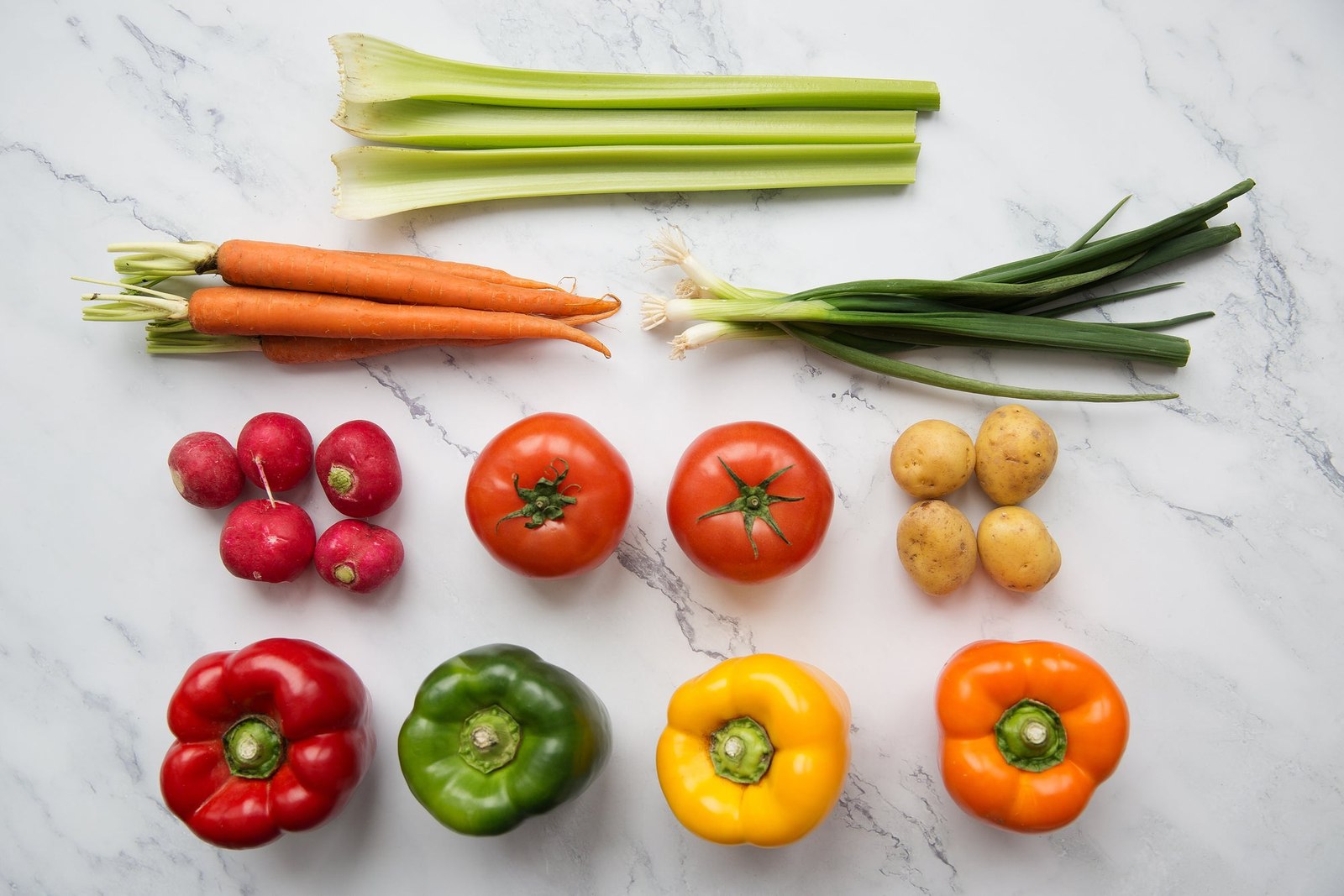
Dry the vegetables before deciding how to cook them
Water clinging to washed vegetables changes the first few minutes in a pan.
Water clinging to washed vegetables changes the first few minutes in a pan. Decide whether that moisture belongs in the dish before reaching for more oil or heat.
A colander drains loose water but may leave folds and cut surfaces wet. Spread sturdy vegetables on a clean towel and pat them gently. A salad spinner can help with suitable leaves; use it within its capacity rather than compressing a large bundle. Keep this work separate from surfaces and cloths used for raw meat.
Match the drying to dinner
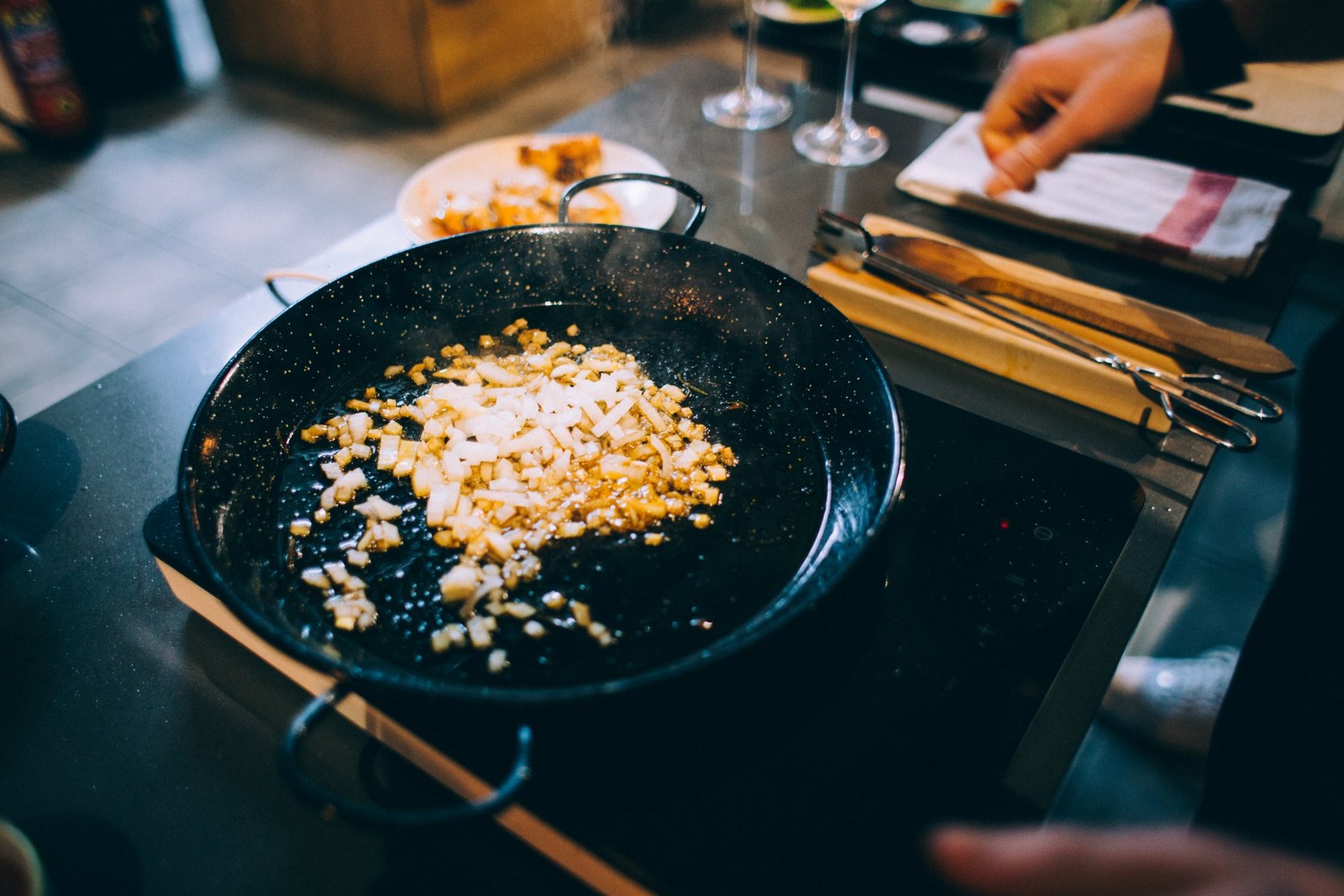
For a quick sauté, drying gives you a clearer view of when the vegetable itself releases liquid. For a covered braise, a little surface moisture may fit the plan. Do not treat both dishes as the same job merely because they begin with the same greens.
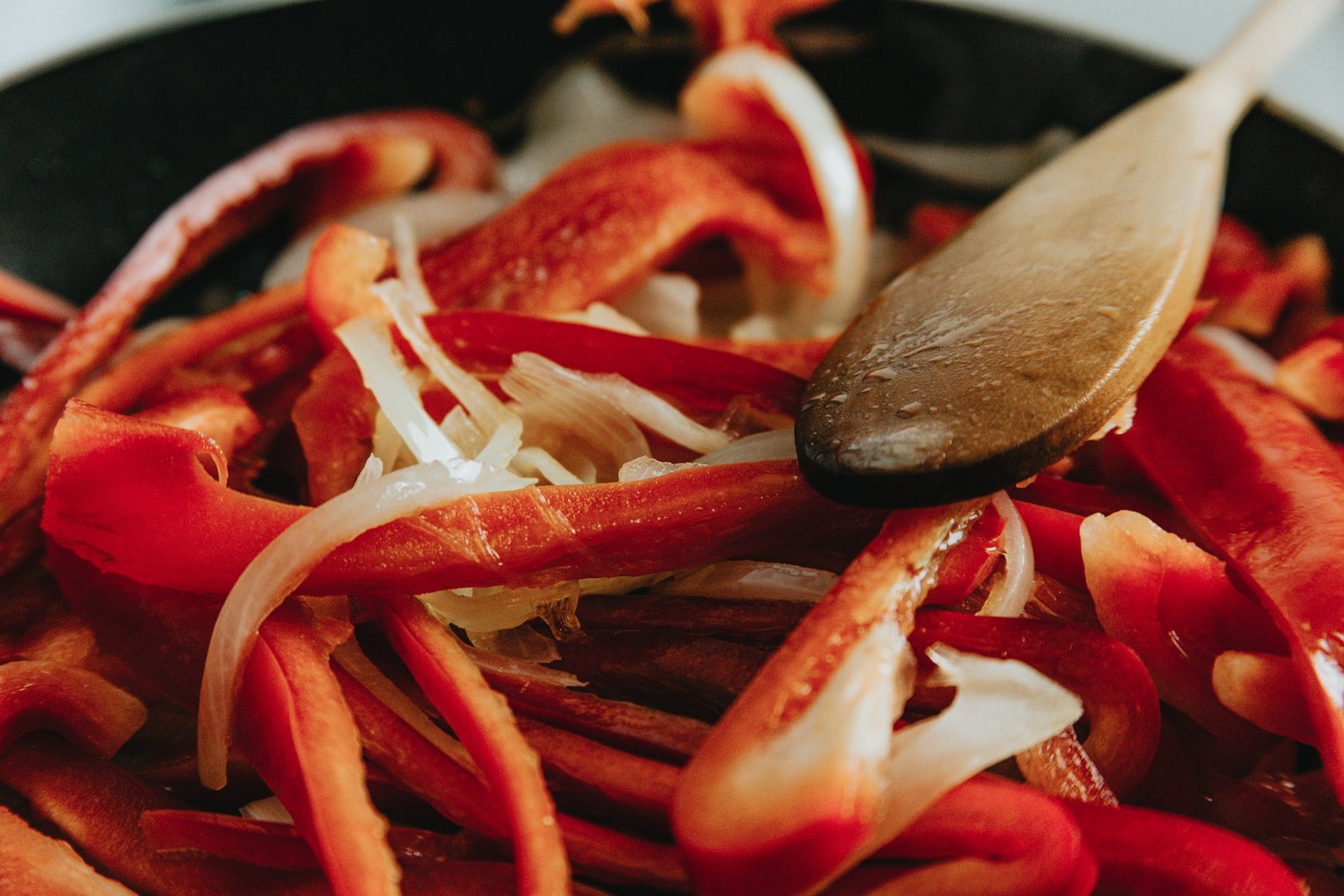
Cut size matters alongside dryness. Thin slices and thick chunks can finish at different times, so group similar pieces before cooking. If the pan already contains a puddle, pause and choose: continue as a moist preparation, remove some vegetables, or cook another batch separately. Adding extra seasoning to compensate for watery flavour can leave the dish too strong once the liquid reduces. Taste again when the final texture is close.